Updated Date:
We review this article regularly to keep recommendations current. Our picks are based on local experience in Lima plus traveler feedback we hear every week on walking tours.
When we say “worth it,” we’re weighing:
Lima isn’t just Peru’s capital; it’s the country’s culinary heart. Peruvian cuisine consistently ranks among the world’s best, blending indigenous ingredients with Spanish, African, Japanese, and Chinese influences that you won’t find anywhere else.
A cooking class lets you engage with that food culture in a way that restaurant meals can’t. You learn why ceviche is cured in lime juice for exactly the right amount of time, how causa gets its vibrant yellow color from aji amarillo, and what makes a Pisco Sour frothy without being too sweet.
For many people, especially those traveling solo or as couples, a cooking class also becomes one of the most social parts of their Lima visit. You’re chopping, laughing, and toasting with other travelers in a way that feels more natural than forced “hostel hangouts.”
The best cooking classes don’t just show you recipes; they teach you techniques that work in your own kitchen, even if you can’t find every single Peruvian ingredient.
These aren’t novelty skills. Many travelers report making ceviche or Pisco Sours for friends months later, using what they learned in a couple of hours on a Lima rooftop.
Peruvian food is deeply tied to the country’s history of migration, trade, and indigenous heritage. A good cooking class explains why dishes exist the way they do.
You’ll hear stories about how Japanese immigrants to Peru created Nikkei cuisine, why ceviche became the national dish despite Peru having thousands of kilometers of coastline and dozens of regional variations, and what aji amarillo means to Peruvian identity beyond just being a chili pepper.
This context makes every restaurant meal for the rest of your Peru trip more interesting. You start noticing regional differences, spotting fusion influences, and understanding what you’re tasting instead of just eating blindly.
After a cooking class, walking through Mercado de Surquillo or Mercado Central suddenly makes sense. You recognize rocoto, huacatay, aji panca, and purple corn because you’ve just used them with your own hands.
You also decode restaurant menus better. When a menu lists “causa de pollo” or “ceviche mixto,” you know what to expect, how it should taste, and whether the price is reasonable.
If you do the Cooking Class & Local Market experience at Luchito’s, you visit Surquillo Market with a chef, taste exotic fruits, see whole fish being cleaned, and buy fresh herbs. It’s the kind of immersive food experience that guidebooks recommend but rarely explain how to do safely and meaningfully on your own.
Cooking classes focus on the two dishes and the cocktail that define Lima’s food reputation:
Vegetarian and vegan modifications are easy: mushroom ceviche instead of fish, avocado causa instead of chicken, and aquafaba (chickpea water) instead of egg white for the Pisco Sour.
In longer classes, you may also make Lomo Saltado or Papa a la Huancaína, enjoying everything you’ve prepared with fellow participants.
Among the many cooking classes offered in Lima, Luchito’s Cooking Class stands out as one of the top choices for several reasons. Here’s why it’s consistently rated as the best:
Rooftop Location in Miraflores: The class takes place on a private rooftop in the heart of Miraflores, with views over the neighborhood. It’s an open‑air space with long tables, good music, and a relaxed vibe, making it easy to ask questions or make mistakes. Conveniently located, it’s a short walk or quick taxi ride from Kennedy Park or the Malecón, so you can easily fit it into your itinerary.
English-Speaking Peruvian Chefs: All chefs at Luchito’s are local Peruvians fluent in English. They share personal stories and insights into Peruvian cuisine, adjusting explanations based on your cooking skill level. Whether you’re a beginner or a confident cook, the chefs make sure you get the most out of the experience.
Social Atmosphere: Everyone gets hands‑on time with the chefs. Many solo travelers and couples enjoy the social aspect, chatting with others from around the world while cooking, laughing, and sharing stories.
Strong Reputation and Consistent Quality: With 1,000+ reviews and a perfect 5/5 rating on TripAdvisor, Luchito’s has a proven track record. The class is well-organized, the ingredients are high quality, and the team runs a smooth, hands-on session. They can also accommodate many dietary needs with advance notice.
Many travelers book the cooking class for their first or second day in Lima. The logic is simple: once you understand aji amarillo, rocoto, and cilantro, you read restaurant menus with more confidence and order better food for the rest of your Peru trip.
If you’ve already done the Lima Walking Tour through the historic center, Barranco, and Miraflores, a cooking class offers a different pace. You’re still learning about Lima culture, but through taste and smell instead of architecture and history.
Some travelers save the cooking class for their last night in Lima before flying to Cusco or catching Peru Hop south to Paracas and Huacachina. It becomes a celebratory way to close the Lima chapter: you’ve seen the city, walked the neighborhoods, and now you’re cooking and drinking on a rooftop with new friends.
Most Lima cooking classes sit in the mid-range for activities: more than a casual meal out, but usually less than a high-end tasting menu. You’re paying for the ingredients, the chef instruction, and the fact that it doubles as a full meal (plus drinks, depending on the class).
Because prices can change with season and availability, it’s best to check the booking page for current rates and what’s included (especially if you’re choosing a market add-on or extra dishes like Lomo Saltado).
Start times vary by experience (standard cooking-only vs. market + cooking). In general, you’ll usually see afternoon and early evening options, with market versions earlier in the day. If you’re planning around tours, sunset, or airport transfers, confirm the exact start time when you book.
Cooking classes are one of the best social activities for solo travelers because the structure naturally encourages interaction without forcing it. You’re working side-by-side with other people, sharing a meal, and swapping travel stories in an environment that feels more authentic than “forced fun” hostel events.
If you’re traveling alone and feeling a bit isolated after a few days of museums and walking tours, a cooking class breaks that pattern. Many solo travelers report meeting people here that they end up traveling with later, especially if everyone’s doing the same Peru Hop route south.
Couples consistently rate cooking classes as one of their favorite Lima activities. It’s interactive, you learn something together, and you have photos and skills to take home. It’s also more memorable than another restaurant meal.
If you’re on a romantic trip, the evening class ending with Pisco Sours on a rooftop at sunset hits the right tone.
Luchito’s welcomes families, and kids who are old enough to follow instructions and handle kitchen tools usually enjoy the hands-on element.
Small groups of friends traveling together often book a private class where they can set the vibe, take their time and joke around without worrying about disturbing strangers. The Lomo Saltado & Cocktail Experience is popular for groups because it includes two drinks and feels more like a casual dinner party than a formal class.
If you’re on an extremely tight budget where every $20 matters, a cooking class might feel like a splurge compared to eating cheap street food or cooking in hostel kitchens. That’s a fair calculation.
But many budget travelers justify the cost by skipping one or two restaurant meals and using the cooking class as both lunch/dinner and an activity, which brings the effective cost down. It also becomes a skill investment: knowing how to make ceviche or Pisco Sours means you can host friends later instead of always paying for drinks and meals out.
If you already love cooking and trying new cuisines, this is an obvious yes. Peruvian food has unique techniques and ingredients that you probably haven’t worked with before, and learning them in Lima from a local chef is far more valuable than reading recipes online.
The context, the ingredient knowledge, and the hands-on practice make the class worthwhile even if you’re an experienced cook. You’ll still learn something new.
The portions are generous, and you’re eating everything you make plus drinking Pisco Sours. If you eat a big lunch right before the class, you’ll be uncomfortably full halfway through.
Have a light breakfast or lunch, or plan the class to be your main meal of the day.
You’ll want photos of the food you make, the rooftop setting, and probably some group shots with the chef and other travelers. If you care about social media content, a cooking class produces better material than most tourist photos.
You’re standing for about two hours during the cooking portion. Flip-flops are fine, but if your feet hurt easily, closed shoes or supportive sandals are better.
The chefs love talking about food, Peruvian culture, and travel tips. Don’t be shy about asking why a certain ingredient is used, what substitutions work, or where to eat the best version of a dish in Lima. The informal setting encourages conversation.
Many travelers structure their Lima days around a mix of free walking tours and paid experiences. A typical two- or three-day Lima itinerary might look like:
This structure gives you walking tours for orientation and history, a cooking class for food culture, and time to explore independently. The free walking tours and cooking class complement each other instead of feeling repetitive.
Lima is usually the start or end point for most Peru itineraries. If you’re heading south to Paracas, Huacachina and Arequipa, or north to Huaraz and Trujillo, understanding Peruvian food in Lima gives you context for regional variations.
Peru Hop is a popular choice for travelers moving between Lima and other destinations because it combines transport with built-in stops at places like the Ballestas Islands and Huacachina sand dunes. Many Peru Hop passengers stay in Miraflores and do activities like Lima Walking Tours and Luchito’s Cooking Class before catching their bus.
If you book Peru Hop’s Lima-to-Cusco route, the cooking class becomes a good “last meal in Lima” tradition before starting the overland journey through the desert and mountains.
If you have even a passing interest in food, a cooking class in Lima is worth the time and money. It’s hands-on, social, delicious, and educational in ways that surprise most people.
Yes! Cooking classes in Lima are designed for all skill levels. Beginners do great here, and confident cooks still learn new techniques. The chefs guide you through every step and adjust their instructions to suit your needs.
Typical classes like Luchito’s offers learning key techniques like curing fish for ceviche, layering and presenting causa, making the perfect Pisco Sour, and stir-frying Lomo Saltado. These are practical skills that you can use back home, even with non-Peruvian ingredients.
Most cooking classes in Lima last between 2.5 to 3 hours. You’ll start by shopping at a local market (depending on the class) and then cook a few signature Peruvian dishes before sitting down to enjoy your creations.
No! While cooking classes cater to travelers, the dishes you make are authentic to Peruvian cuisine. You’ll cook exactly what locals eat and learn the techniques that have been passed down through generations.
Lima is considered the culinary capital of South America, and a cooking class here gives you an insider’s view of Peruvian ingredients, flavors, and cooking methods. The fresh, locally sourced ingredients, combined with Peru’s unique blend of indigenous and international culinary influences, make the experience truly unique.
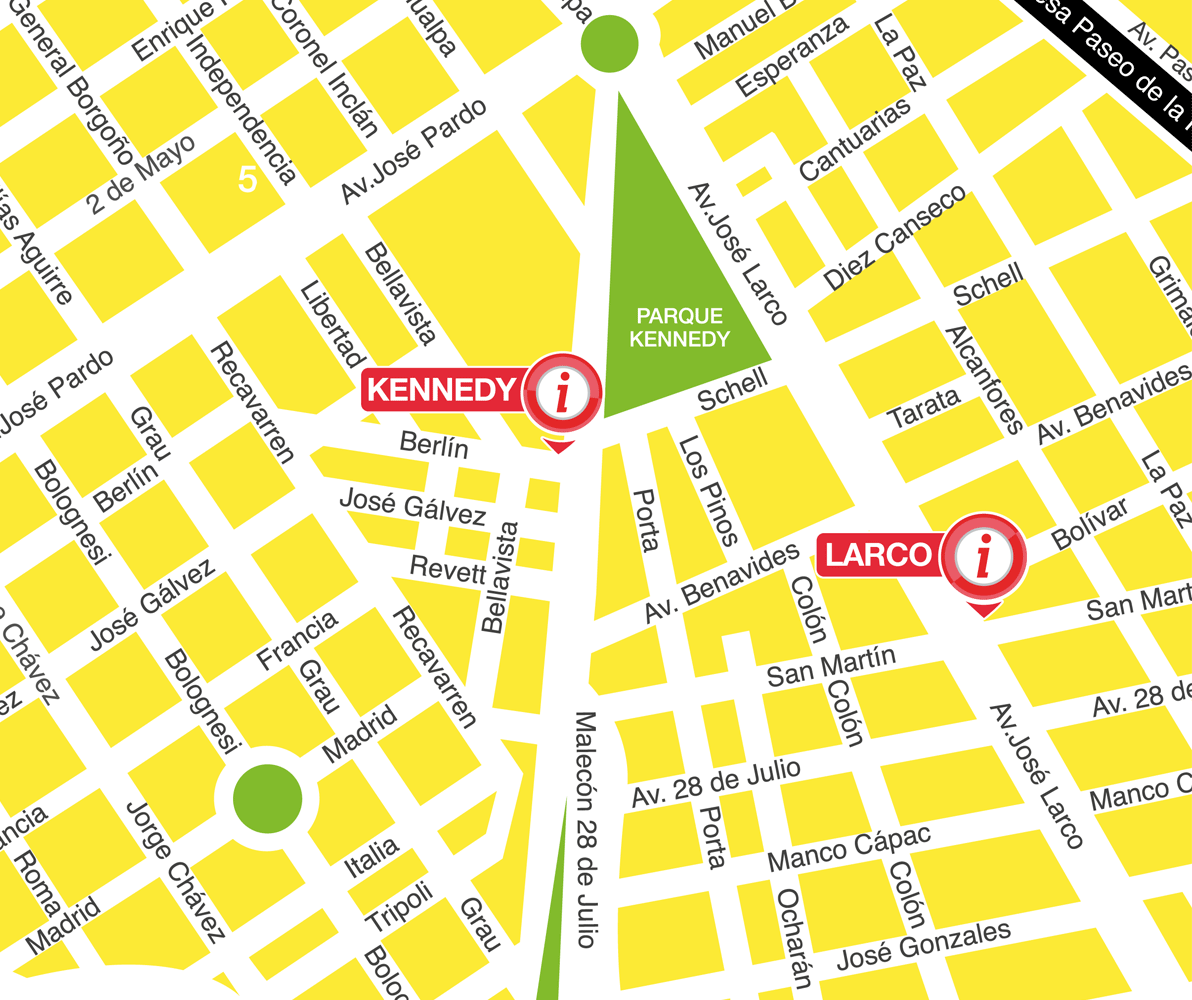
Tourist Information Center (Kennedy Park)
Av. Diagonal 494, Miraflores
Tourist Information Center (Larco)
Av. Larco 799, Miraflores
PLEASE MEET US 10 MINUTES BEFORE OUR DEPARTURE TIMES
We’re independent, licensed guides who conduct FREE Tours on a tips-only basis, thereby guaranteeing that you receive a tour of the highest quality. We'll never pressure you to tip; we believe that, if money is given, it should be voluntary and in direct proportion to the quality of the tour and the budget of the traveller.
