3 Day Lima Itinerary for Culture: Historic Center, MALI, Museo Larco, Barranco
Updated Date:
3 day Lima itinerary for culture lovers is the simplest way to meet Lima as a true cultural capital: a city shaped by ancient civilizations, built into a colonial seat of power, and constantly rewritten by artists, writers, and chefs who keep it modern. Here, history isn’t trapped behind glass—it’s in the streets, the architecture, and the everyday rhythms of each neighborhood.
This itinerary is built for travelers who want meaning, not just landmarks, with smart district planning that keeps your time focused on culture instead of commutes.
Quick summary
Day 1 (historic center): Plaza Mayor + colonial/republic-era Lima + San Francisco church & catacombs + classic streets like Jirón de la Unión. Verdict: Day 1 is best done with a Lima Walking Tour, because the “meaning” is the attraction.
Day 2 (museums day): MALI (big-picture Peruvian art timeline) + Museo Larco (ancient Peru in one stunning collection). Verdict: Best day to move once and stay in “museum mode.”
Day 3 (Barranco + coast): Barranco’s heritage streets, street art, and galleries, then a Miraflores malecón finale. Verdict: Best day to go slow and let Lima feel like Lima.
Realistic timing note: Lima isn’t huge on a map, but door-to-door time can surprise you. This itinerary is designed to reduce cross-city jumps so you keep your daylight for culture, not commutes.
Who this 3 day Lima itinerary is best for
First-timers who want history + culture in a clean arc (ancient Peru → colonial capital → modern Lima).
Travelers who love museums, architecture, and walking neighborhoods.
Anyone who prefers quality over quantity (you’ll see a lot, but you won’t sprint).
Where to stay: Miraflores vs Barranco vs Centro (quick comparison)
Choosing the right base changes how easy Lima feels.
Miraflores (best all-around base)
Best for: convenience, walkability, food options, easy evenings, and smoother logistics for tours/pickups.
Trade-off: you’ll still need a ride to Centro and Pueblo Libre, but returning here is comfortable.
Barranco (best for artsy nights + slower pace)
Best for: galleries, street art, cafés, and a more local, bohemian vibe.
Trade-off: slightly more taxi dependence for some moves (especially to Centro and museum zones).
Centro (only if you love early mornings in the historic center)
Best for: being close to Day 1 sights and photographing Centro early.
Trade-off: less comfortable for most first-timers at night, and you’ll likely still move to Miraflores/Barranco for evenings and Day 3.
Simple decision: if you want the easiest trip, stay in Miraflores. If you want artsy atmosphere, stay in Barranco.
What to book ahead
A guided walking tour for Day 1 (historic center). This is where a guide adds the most value—because stories, symbols, and politics are the point. (Lima Walking Tour’s Historic Center option is built for exactly this.)
Museo Larco if you want a clean visit window; it was established in 1926 and houses around 45,000 pre-Columbian objects.
Museum opening days and closures (don’t get caught out)
Lima museum schedules can change for holidays, special events, or maintenance, and some museums have a weekly closure day. Before you commit to a taxi ride across town, do this:
Check the official website or Google listing the night before (hours + last entry time).
If you’re visiting on a Monday, double-check—this is a common closure day for museums in many cities.
For the Historic Center, arrive earlier so you’re not rushing before last entry times.
Quick rule: if a museum is a “must” for you, plan it for your morning and keep your afternoon flexible.
Before you start: Lima logistics that save hours
Getting around without losing your day to traffic
Group by district. This itinerary does that on purpose.
Use ride-hailing/taxis for cross-district jumps, then walk once you arrive. You’ll see more and stress less.
Start early on Day 1. The Historic Centre of Lima is UNESCO-listed, and it gets busier as the day rolls on.
Try to limit public transportation for cross-district trips—you may run into friction with safety, travel time, and overall efficiency.
Safety and the most common culture-day mistakes
Don’t carry your passport on long walking days (bring a photo/copy).
Keep phones out of back pockets in busy pedestrian zones.
Don’t accept aggressively “helpful” unofficial guides outside big sites. If you want a guide, book one and keep the day clean.
Don’t accept gifts, handicrafts, or “free” souvenirs on the street. Sometimes vendors can be pushy or manipulative. A simple “No, gracias” is enough—keep walking.
Also, check reviews of any operator you book with before you pay.
What to pack for museum and walking days
Comfortable shoes (Centro has long walking stretches).
A light layer (museums and evenings can feel cooler).
A small water bottle + sunscreen (especially for the malecón on Day 3).
A crossbody bag you can keep in front in crowded areas.
Mini transport comparison (fastest vs cheapest)
Ride-hailing (or taxis) are usually the fastest door-to-door option in Lima. They involve fewer transfers and are typically the most efficient way to make cross-district jumps when you’re trying to protect daylight for museums and walking.
The Metropolitano and public buses are the cheapest choice and can work well if you’re comfortable navigating routes. The trade-off is that they often run slower due to walking, waiting, and transfers—so they’re not ideal during peak hours.
Private tour transport is the smoothest experience overall. It keeps logistics simple, reduces “where do I go now?” moments, and makes timing more predictable—especially if you want a low-stress day with minimal planning.
Day 1: Historic center Lima (plazas, colonial stories, catacombs)
Plaza Mayor and the “City of Kings” context
Start at Plaza Mayor (Plaza de Armas) and do the classic slow loop: cathedral area, grand government buildings, and those iconic balconies that scream “old capital energy.”
This is where Lima’s story matters. UNESCO highlights the historic center’s value as a major colonial city with a remarkable historic urban fabric.
If you want the day to feel like a story instead of a photo checklist, do a Lima Walking Tour in the center. Context changes everything here.
San Francisco church and catacombs
Next, visit the San Francisco church/monastery complex and take the guided visit through the catacombs. It’s one of the most memorable “colonial Lima” experiences because it mixes architecture, faith, art, and the city’s past in a way you can literally walk through.
Jirón de la Unión and Casa de la Literatura
Afterward, walk Jirón de la Unión for central Lima street life, then duck into Casa de la Literatura Peruana for a calmer cultural stop that balances the big plazas with something more reflective.
Lunch tip for culture lovers: pick a classic Peruvian meal and sit longer than usual. Food culture is history in real time.
If you want an evening add-on that doesn’t require nightlife planning, book Lima Walking Tour – Magic Water Circuit. The Circuito Mágico del Agua at Parque de la Reserva is built around a choreographed fountain-and-light show concept (13 fountains), and it’s a fun contrast after a history-heavy day.
Day 2: Lima’s top museums (MALI + Museo Larco)
Ticket strategy (how to keep Day 2 smooth)
You don’t need to over-plan Lima, but tickets can save you time on museum day.
Museo Larco: book a time window if available so the visit feels calm and predictable (especially during weekends or peak season).
MALI: arriving early usually makes the experience better—shorter lines, quieter galleries, and you’ll actually enjoy reading the labels.
Keep a simple backup plan: if one museum is unexpectedly busy, swap the order and return later.
Tiny pro tip: screenshot your ticket/confirmation and keep it offline in case your data drops.
MALI for the full art timeline
Start at MALI (Museo de Arte de Lima) in Parque de la Exposición. It’s perfect for understanding how Peruvian art evolves across centuries—so later, when you see textiles, ceramics, and colonial painting styles, you’ll recognize patterns instead of feeling lost. MALI lists its address as Av. 9 de Diciembre 125, Parque de la Exposición.
Pacing tip: arrive earlier so you can actually read labels and enjoy the flow before you’re museum-tired.
After lunch, head to Museo Larco in Pueblo Libre. It’s one of the strongest museum experiences in Lima for pre-Columbian Peru, set in an 18th-century mansion with gardens that make the visit feel peaceful, not exhausting.
Museo Larco was established in 1926 and houses a collection of around 45,000 pre-Columbian objects—massive cultural payoff for one visit.
Optional evening: hands-on Peruvian cooking class
If you want culture you can taste, do Luchito’s Cooking Class tonight. It’s a fun way to connect museum knowledge to daily life—ingredients, techniques, and the logic behind iconic Peruvian dishes.
Day 3: Barranco’s local history and art scene (then Miraflores coast)
Puente de los Suspiros and heritage streets
Start in Barranco with Puente de los Suspiros and the surrounding streets. Barranco is Lima’s most wanderable cultural neighborhood—heritage vibes, arts, and a slower pace that feels like a reset after two heavier days.
If you like having a local thread connecting the murals, mansions, and stories, the Barranco Walking Tour is an easy structure without killing the “wander” vibe.
Street art, galleries, and slow café culture
This is your day to go light and local: murals, small galleries, and long coffee breaks.
Barranco is best when you let it breathe—don’t overbook it.
Malecón finale in Miraflores
Finish with a walk along the Miraflores malecón. It’s a clean ending: ocean cliffs, parks, and that Lima coastal mood that makes you understand why locals love evenings here.
If an airport transfer is on your mind (arrival or departure), Airport Express Lima is a reliable, simple option to connect the airport with Miraflores without last-minute negotiation stress.
Best museums in Lima by district (20+ options)
Want to add one more museum without wrecking your timing? Use this by-district list so you can stay close to where you already are.
Centro de Lima (historic center)
MALI (Museo de Arte de Lima) — Cercado de Lima
Museo de Arte Italiano — Cercado de Lima
MUCEN (Museo Central) — Cercado de Lima
Museo del Congreso y la Inquisición — Cercado de Lima
Museo de Minerales Andrés del Castillo — Cercado de Lima
Casa de la Literatura Peruana — Cercado de Lima
Pueblo Libre (best museum cluster)
Museo Larco — Pueblo Libre
Museo Nacional de Arqueología, Antropología e Historia del Perú — Pueblo Libre
Miraflores (easy to pair with the malecón)
Lugar de la Memoria (LUM) — Miraflores
Museo Amano — Miraflores
Museo de Sitio Pucllana — Miraflores
Barranco (art + local culture)
Museo Pedro de Osma — Barranco
MAC Lima (Museo de Arte Contemporáneo) — Barranco
Museo de la Electricidad — Barranco
San Isidro (quick stops between meals)
Museo de Sitio Huallamarca — San Isidro
Marina Núñez del Prado Museum — San Isidro
Jesús María
Museo de Historia Natural (UNMSM) — Jesús María
Santiago de Surco
Museo de Oro del Perú y Armas del Mundo — Santiago de Surco
Lurín (major archaeological day)
Museo de Sitio Pachacamac — Lurín
Museo Nacional del Perú (MUNA) — Lurín
Callao (bonus if you want history by the port)
Fortaleza del Real Felipe (museum visit) — Callao
Museo Naval del Perú — Callao
If you want, I can also turn this into a “pick 1 extra museum” mini-guide (best add-on per day: Day 1 / Day 2 / Day 3) so readers don’t get overwhelmed.
Guided vs self-guided: what’s actually worth paying for
Here’s the honest breakdown:
Best day to go guided: Day 1 (historic center). The value is the storytelling—symbols, politics, architecture, and why the city looks the way it does.
Best days to self-guide: Days 2–3 (museums + Barranco). Museums already provide structure; Barranco is about pace and discovery.
If you’re choosing one paid upgrade: pick a quality historic center walking tour. That’s where context changes everything.
If you have more time: add-ons culture lovers usually enjoy
Extra museum time: If you loved Museo Larco, add another museum stop on a fresh morning rather than squeezing it into a tired afternoon.
Historic center deep dive: Add a second Centro visit focused on a single theme (religious art, republican Lima, or literature/markets).
A coastal day trip (Paracas + Huacachina) without logistics drama: If you want one “big scenery” day outside Lima, Peru Hop is a traveler-friendly way to do the coast with fewer transport headaches than stitching it together yourself.
Final thoughts
Lima rewards travelers who move smarter, not faster.
If you group your days by district, start early in the historic center, and give yourself real museum time, you’ll leave with a clear story of the city: ancient roots, colonial power, and modern creativity.
And the best part? This itinerary still leaves room for the little moments that make Lima feel alive: a slow lunch, a spontaneous gallery stop, a sunset on the malecón, and the feeling you actually understood what you were looking at.
FAQ
Is 3 days enough to see Lima’s top cultural attractions?
Yes—three days is enough for the UNESCO-listed historic center, two top museums (MALI and Museo Larco), plus Barranco and the Miraflores coast if you group your days by district. The biggest time-waster in Lima is cross-city hopping, so this itinerary limits transfers on purpose.
Why is Lima’s historic center such a big deal?
Lima’s historic center preserves key colonial-era urban architecture tied to the city’s role as a major capital in Spanish South America. It’s recognized as a UNESCO World Heritage site, which signals global cultural value—especially when you explore it with context, not just quick photos.
Should I do the historic center with a guide or on my own?
If you want the “why” behind plazas, churches, balconies, and symbols, go guided on Day 1. The historic center can feel like a beautiful set without the story. Museums and Barranco are easier to self-guide because the experience is naturally structured (museums) or naturally slow (Barranco).
Which museum is better: MALI or Museo Larco?
They do different jobs. MALI is best for the big timeline of Peruvian art across centuries and styles. Museo Larco is one of the strongest choices in Lima for pre-Columbian history in a single visit, and it was established in 1926 with a major collection. Ideally, do both.
How do I avoid wasting time in Lima traffic?
Plan by neighborhood: Centro on one day, museums on one day, Barranco on one day. Keep cross-district moves to one or two per day, start earlier in Centro, and walk once you arrive. This “district logic” is the easiest traffic-proof strategy for visitors.
Is the San Francisco catacombs visit worth it?
Yes—if you’re interested in colonial Lima and want a memorable, story-rich stop. The complex is one of the historic center’s most iconic visits, and the catacombs add a unique layer to understanding the city’s past and religious life.
Is Barranco worth it if I don’t care about nightlife?
Absolutely. Barranco shines in daylight: heritage streets, murals, galleries, cafés, and an artsy local feel. It’s one of the best places to slow down and experience modern cultural Lima without planning a “party night.”
Where should I stay to follow this itinerary easily?
Miraflores is the easiest base for most travelers thanks to walkability, food options, and comfortable evenings. Barranco is ideal if you want an artsy neighborhood vibe and slower nights. Either way, you’ll travel to Centro and Pueblo Libre, but returning to Miraflores/Barranco tends to be smoother after long walking days.
Is the Magic Water Circuit a good night plan if I want something easy?
Yes. It’s a simple, low-planning evening activity that fits well after a day of museums or history. It gives you a fun “wow” moment without needing nightlife logistics, and it’s an easy add-on if you book a tour with transportation handled.
What’s one mistake culture lovers make in Lima?
Trying to cover too many districts in one day. Lima rewards depth, not zig-zagging. Pick an anchor area, move once, then walk—especially in Centro, Barranco, and along the Miraflores malecón. You’ll see more and feel less rushed.
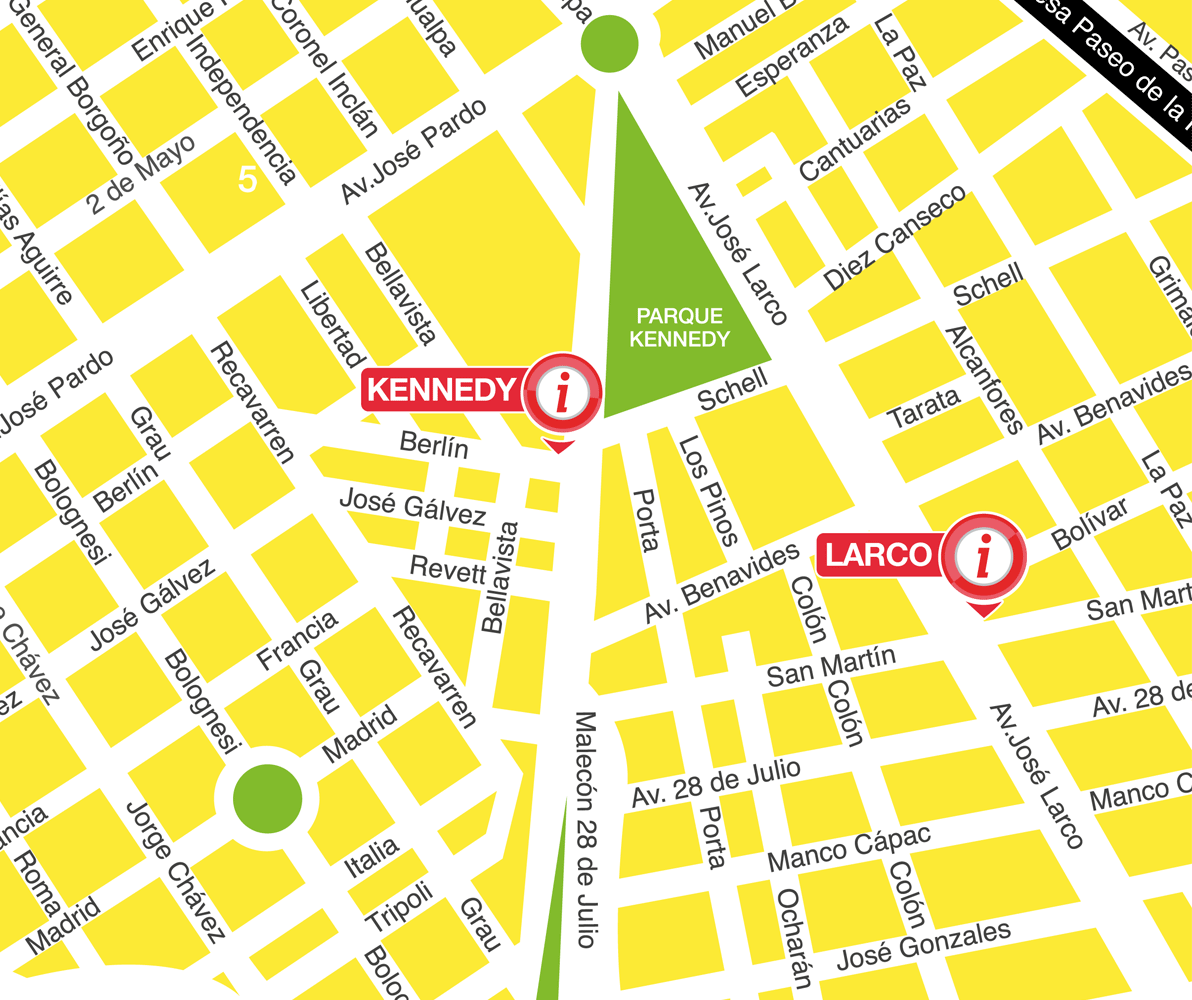
DAILY DEPARTURES
TOURS DEPART FROM BOTH TOURIST INFORMATION CENTERS
PLEASE MEET US 10 MINUTES BEFORE OUR DEPARTURE TIMES
We’re independent, licensed guides who conduct FREE Tours on a tips-only basis, thereby guaranteeing that you receive a tour of the highest quality. We'll never pressure you to tip; we believe that, if money is given, it should be voluntary and in direct proportion to the quality of the tour and the budget of the traveller.