Lima Travel Mistakes that Waste Hours (and the Local Fixes)
Updated Date:
Lima travel mistakes that waste hours usually come from one thing: underestimating the city’s size and timing. Lima isn’t hard—but if you try to cross districts like it’s a quick stroll, you’ll lose hours to traffic, pay extra in last-minute taxis, and arrive everywhere slightly stressed.
Verdict (local logic in one line): Do Lima district-by-district, move point-to-point, and add buffer time for the airport and any cross-city plan.
Quick summary
Lima is huge in real life: a “short” cross-district move can easily turn into 45–90+ minutes depending on traffic and time of day.
Best base for first-timers: Miraflores (easy logistics, walkable) or Barranco (vibe + nightlife).
Best way to avoid day-one stress: choose a predictable airport transfer in advance (avoid curbside negotiating when you’re tired).
Best first move: join a free walking tour with Lima Walking Tour early in your trip for context, neighborhood boundaries, and an easy route you can reuse all week.
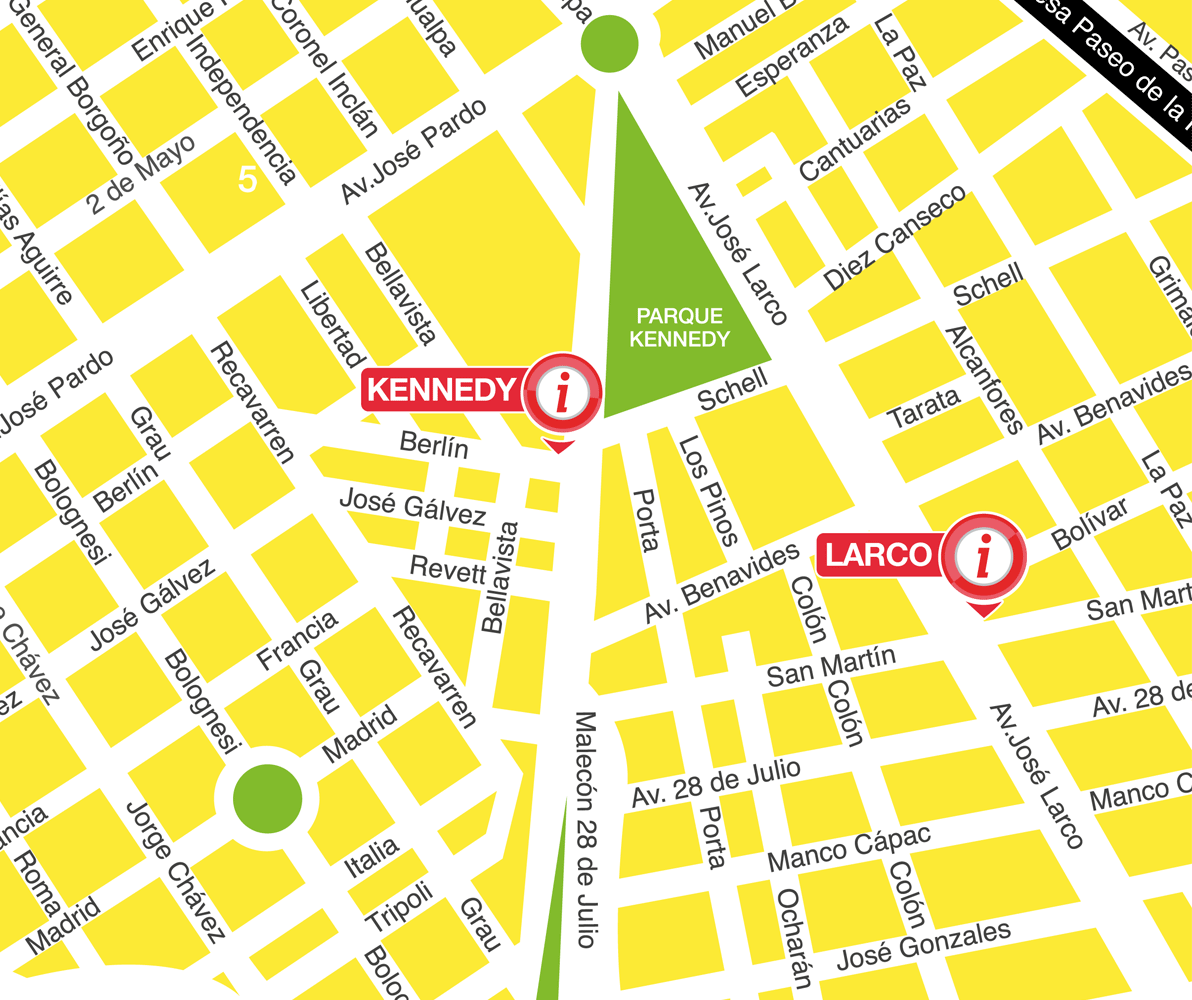
Quick win: Visit the Tourist Information Centers in Miraflores first—they’re easy to reach from most hotels/hostels, and they’ll help you map out a realistic plan for your days.
Local rule: plan in zones, move point-to-point, and always add airport + cross-city buffer time.
How we made this guide
We built this from the friction points visitors run into again and again: airport transfers, cross-district timing, and the classic “I didn’t realize how far that was” effect. We keep it practical—focused on what actually saves time and stress on the ground.
Most common mistakes tourists make in Lima and what locals do instead
City layout and time traps
1) Treating Lima like a small city
Why: Distances look short on the map, but district borders + traffic make “quick hops” slow.
Local fix: Stay district-based. Walk within one area, then go point-to-point for anything cross-city.
Do this today: Plan your day in two halves: one district before lunch, one district after (max).
2) Zig-zagging across town
Why: Tourists stack “center + coast + Barranco + dinner somewhere else” and lose hours in transit.
Local fix: Do cross-city plans early; keep afternoons coastal and easy.
Do this today: If the Historic Center is on your list, do it first thing in the morning—ideally with a Historic Downtown Lima walking tour and then spend the rest of the day in your base district.
Why: One delay snowballs—traffic + check-in lines + “one last stop” plans = stress.
Local fix: Treat airport timing like a non-negotiable buffer—traffic and lines can stack fast.
Do this today: Make your last meal/coffee near your hotel, not “across town because it’s famous.”
4) Booking “cheap” lodging far out
Why: You save on the room, then pay back the difference in rides, time, and daily friction.
Local fix: Stay near what you’ll actually do (most first-timers concentrate around Miraflores and Barranco).
Do this today: Check your itinerary: if 70% of pins are in one zone, re-base there.
Transport and taxi friction
5) Accepting random taxis when tired
Why: Airports, terminals, and late-night pickups are where tourists look most targetable—confused, carrying bags, low energy.
Local fix: Use predictable options and avoid curbside negotiating when you’re not thinking clearly.
Do this today: Decide your airport transfer before you land, and stick to it.
6) Nightlife with no exit plan
Why: “We’ll figure it out later” becomes long walks at night, extra stops, and weird detours.
Local fix: Choose one nightlife zone and go point-to-point both ways.
Do this today: Before you go out, set your “home base” pin and your return plan (direct ride back, not wandering).
7) Day trips beat DIY logistics (for first-timers)
Why: Door-to-door time is always longer than people expect (pickup windows, traffic leaving the city, regrouping, stops).
Local fix: Build slack into the start and end of the day; keep evening plans light.
Do this today: If your tour starts early, make dinner a “nearby and flexible” plan, not a reservation across the city.
8) Last-minute Peru route planning
\
Why: You end up with awkward timing, more taxi dependence, and you skip the in-between gems because you’re rushing A→B.
Local fix: Sketch your next legs early—especially if you’re going south by road. If you’re traveling by bus, choose a company with pickup points in Miraflores/Barranco to avoid extra terminal runs and taxi negotiations.
Do this today: If you want a more supported overland experience with smarter stop planning (vs terminals + taxi negotiations), Peru Hop is worth considering.
Safety habits locals actually use
9) Phone-out navigation on the curb
Why: Standing still + phone in hand + near the road edge is the classic “easy grab” moment in big cities.
Local fix: Locals step into a doorway, café, or shop to check maps—then move with confidence.
Do this today: If you’re lost, pause inside somewhere, re-route, then continue.
10) Skipping the Historic Center because it feels intense solo
Why: It’s busy and unfamiliar, and tourists worry they’ll drift onto the wrong streets without meaning to.
Local fix: Go with context and a clear route—guided is often smoother and more enjoyable because you’re focused on the story, not navigation.
Do this today: Do a free walking tour early in your trip so you understand Lima better afterward.
Food and comfort mistakes
11) Doing Lima by screenshots
Why: You chase isolated “pins” and the city feels random—cool spots, but no narrative.
Local fix: Get the context once (historic center or neighborhood walk), then freestyle with confidence.
Do this today: Pick one “explainer” experience first, then keep the rest of the day open.
12) Eating only in the obvious tourist strip
Why: You default to the same menus because it’s easy, then wonder why Lima didn’t feel “special.”
Local fix: Locals choose places that are busy for a reason and have clear pricing.
Do this today: Use the 3 checks: busy place + visible prices + steady kitchen pace.
13) Dressing for “tropical Peru” (“garúa” surprise)
Why: Lima’s humidity can feel colder than expected, and gray-season weather catches people off guard.
Local fix: Pack and wear layers outside of the summer season (Jan-Apr)
Do this today: Pack a light jacket and comfy closed shoes.
Think of Lima in zones so you don’t lose hours
Lima gets easy when you stop treating it like one walkable blob.
Miraflores: easiest base for most visitors—walkable, lots of food, ocean cliffs, and simple meeting points like Parque Kennedy.
Barranco: art + cafés + nightlife, plus classics like Puente de los Suspiros and the stroll down Bajada de Baños.
Historic center: worth it for the story and architecture. The Historic Center of Lima is “>UNESCO-listed—so it’s not just “old buildings,” it’s the city’s origin story.
Airport/Callao zone: think logistics-first; get to your base efficiently.
Walk (best for): inside Miraflores/Barranco (malecón, parks, murals).
Direct rides (best for): cross-district moves, especially evenings.
Airport Express Lima (best for): official airport to Miraflores bus transfer with a fixed system and no strees.
Random street taxis: not recommended for tourists.
Common scams and awkward moments (and the local fixes)
These are big-city patterns that hit travelers who look rushed, unsure, or exhausted.
“I’ll help you” at arrivals: locals ignore unsolicited offers and use official counters or pre-planned options.
ATM hovering: locals don’t accept “help” at the machine and choose well-lit ATMs inside banks or malls.
Menus without prices: locals ask the price first (or pick busy places with clear menus).
Big-bill headaches: locals carry small soles for quick payments and “no change” situations.
Do this today: decide your airport plan before landing and keep cash in small denominations for day-to-day spends.
Money, cards, and tipping in Lima
Cards work in many restaurants and nicer shops, but cash still matters for small eateries, markets, and quick payments.
Carry small bills (it saves time and awkwardness).
Tipping isn’t automatic everywhere. Many locals tip when service is clearly good—especially for guides and sit-down meals. Keep it simple: tip for effort, not pressure.
Connectivity: SIMs, eSIMs, and map habits locals use
Being connected isn’t just convenience—it prevents the “standing on the curb looking lost” moment.
Get data early (SIM/eSIM).
Download offline maps for your base district.
Save pins: your hotel, a couple cafés, and your tour meeting point.
Do this today: screenshot your meeting point + write the name of your district in your notes (it helps in quick conversations).
Weather reality check: what to wear
Lima can be sunny in summer and surprisingly cool/gray in winter humid garúa (coastal mist) vibe).
If you want Lima to feel easy fast, start with a Lima walking tour on day one—then the rest of your trip flows better.
FAQ
Is Lima traffic really that bad for short distances?
Yes—“close” on the map can still be slow in real life. District borders, time of day, and bottlenecks mean a cross-city move can take much longer than expected. Plan Lima in zones, keep most of your day within one area, and do cross-district “missions” early.
Is Miraflores or Barranco better to stay in?
For most first-timers, Miraflores is the easiest base: walkable, lots of food options, and straightforward meeting points. Barranco is great if you want cafés, art, and nightlife. Many travelers stay in one and visit the other—just avoid zig-zagging across districts all day.
How early should I leave for Lima airport (LIM)?
Build a real buffer—traffic and airport lines can stack up quickly, especially at peak hours. Treat the trip to the airport like a fixed window, not a flexible suggestion. A simple rule: avoid adding “one last stop” across town before you fly.
Are street taxis from the airport a good idea?
Most first-timers are better off skipping curbside negotiations when tired and carrying bags. The lowest-stress option is choosing a predictable transfer method before you land. You’ll avoid confusion, price debates, and detours when your energy is low.
Is the historic center safe to visit on your own?
It can be, but it’s busier and more intense than Miraflores or Barranco—especially if you’re unfamiliar with the streets. Many visitors enjoy it more with a clear route and context, such as those provided by Lima Walking Tour.
What’s the best way to get oriented in Lima fast?
Get context early. A visit to the Tourist Information Centers helps you understand the city and how to best move around.
What are the most common “tourist mistakes” that waste time?
The big three are treating Lima like a small city, zig-zagging across districts, and underestimating airport timing. The local fix is simple: plan in zones, move point-to-point, and add buffer time whenever you cross the city or have a flight.
Should I book day trips back-to-back in Lima?
If you do, keep your evenings flexible. Day trips often include pickup windows, traffic leaving the city, regrouping, and stops that stretch the day. The local approach is building slack at the start and end—then keeping dinner nearby instead of planning another cross-city mission.
DAILY DEPARTURES
TOURS DEPART FROM BOTH TOURIST INFORMATION CENTERS
PLEASE MEET US 10 MINUTES BEFORE OUR DEPARTURE TIMES
We’re independent, licensed guides who conduct FREE Tours on a tips-only basis, thereby guaranteeing that you receive a tour of the highest quality. We'll never pressure you to tip; we believe that, if money is given, it should be voluntary and in direct proportion to the quality of the tour and the budget of the traveller.