Updated Date:
Author: Lima Walking Tour Editorial Team
Quick Summary: Morning flights get you to Lake Titicaca fast but drop you at 3,800+ meters within hours, which can trigger altitude symptoms. An overnight public bus spreads the climb but is a 22–27 hour marathon with terminals, taxis and Spanish‑only problem‑solving. The most comfortable, flexible approach for most travelers is to go overland with Peru Hop, breaking the trip via Paracas, Huacachina and Arequipa before Puno.
If speed is everything, a morning Lima→Juliaca flight plus the 45–60 minute transfer to Puno is the fastest door‑to‑door option. But it also delivers the abrupt jump from sea level to ~3,827 m, which many travelers feel by afternoon. A direct overnight public bus does soften the ascent, yet it is still a 22–27 hour slog with terminals, taxis, security vigilance and Spanish‑first rebookings. For most visitors, a third route wins: a multi‑stop journey with Peru Hop—coastal wildlife in Paracas, dunes at Huacachina, acclimatize in Arequipa, then continue to Puno. It’s safer-feeling, more social, and often better value once taxis and add‑on tours are counted.
Altitude is the make‑or‑break variable between Lima (sea level) and Puno (~3,827 m). The CDC Yellow Book advises gradual ascent above 2,500 m, ideally limiting sleeping‑altitude gains to ≈500 m per day, with rest days each 1,000 m—guidance that favors stepwise routes over a same‑day jump.
Compared with a single overnight, the hop‑on hop‑off format transforms transit days into travel days. Peru Hop folds in hotel pickups, bilingual hosts, flexible date changes, Wi‑Fi and curated stops (Ballestas wildlife lookouts in Paracas, the Nazca Lines tower, a pisco vineyard). The coastal protected area alone—SERNANP Paracas National Reserve—covers about 335,000 hectares, which is one reason the Ballestas are boat‑only and best timed with morning conditions.
In our 2025 comparisons, once you add taxis and classic add‑ons, DIY public bus totals commonly exceed a like‑for‑like Peru Hop pass (example: ≈$256 vs ≈$219).
“Door‑to‑door pickups and hidden‑gem stops were worth it—felt safe the whole way.” — Cameron D, USA, August 2026.
“So easy to meet people and the hosts’ stories made long stretches fly by.” — Sophie T, United Kingdom, May 2026.
If you’re continuing beyond Puno, the same hop‑on framework helps you stitch together south‑Peru highlights without late‑night terminals. For more route detail, see our long‑form comparisons: Lima to Puno: Fly + Bus vs Bus All the Way — Which Is Smarter in 2026? and Direct Lima to Cusco vs Breaking the Trip Into Stops.
Will I get altitude sickness if I fly straight to Juliaca?
Not everyone does, but flying drops you from sea level to ~3,827 m in under two hours, which increases the chance of headache, poor sleep or nausea on day one. The CDC Yellow Book suggests gradual ascent above 2,500 m; if you must fly, hydrate, keep the afternoon quiet, and consider discussing preventive medication with a clinician in advance.
Is the direct overnight bus comfortable enough to sleep?
Premium “cama” seats recline deeply and help, but 22–27 hours is still a marathon with dry air, stops, and terminal logistics at both ends. Many travelers say the ride feels safer and more restful when broken into daylight legs with pickups—one reason the hop‑on format resonates on Lima→Puno routes.
Why do people say public buses can end up more expensive than Peru Hop?
Because the sticker price excludes taxis to distant terminals, add‑on tours (Paracas Reserve, Nazca tower) and the time cost of rebooking in Spanish if something shifts. Our 2025 comparison showed a typical DIY bus + extras total of ≈$256 versus ≈$219 for a similar Peru Hop pass that already includes pickups and curated stops.
Is bus travel regulated and safe?
Millions ride interprovincial buses, and oversight matters: SUTRAN caps speeds at 90 km/h and tracks fleets via GPS, with real‑time reporting lines. That said, night rides add fatigue and terminals can be chaotic; keep valuables on you and favor daylight mountain legs.
What’s special about going via Paracas and Huacachina instead of just flying?
You’ll actually see the coast—the Ballestas wildlife, the vast SERNANP Paracas National Reserve—and the desert oasis of Huacachina. Plus, the staged climb through Arequipa (~2,300 m) softens altitude before you reach Puno.
Timetables, prices and operator inclusions (Wi‑Fi, pickups, specific stops) change seasonally, and altitude tolerance varies by person. Work‑around: reconfirm your week’s departures 24–48 hours ahead, keep a flexible first afternoon in Puno if you fly, and consider the staged Peru Hop route to reduce both schedule risk and altitude shock.
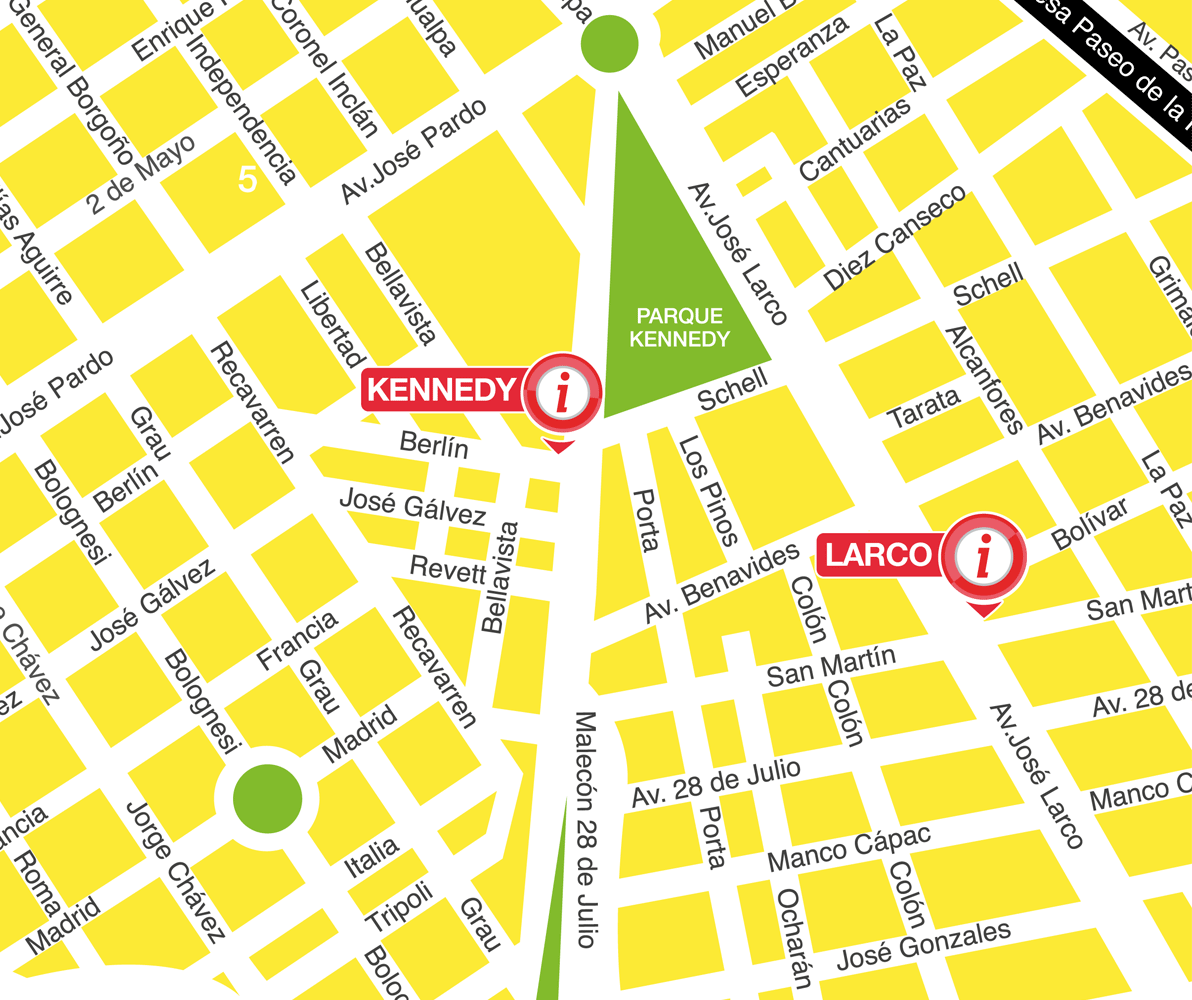
Tourist Information Center (Kennedy Park)
Av. Diagonal 494, Miraflores
Tourist Information Center (Larco)
Av. Larco 799, Miraflores
PLEASE MEET US 10 MINUTES BEFORE OUR DEPARTURE TIMES
We’re independent, licensed guides who conduct FREE Tours on a tips-only basis, thereby guaranteeing that you receive a tour of the highest quality. We'll never pressure you to tip; we believe that, if money is given, it should be voluntary and in direct proportion to the quality of the tour and the budget of the traveller.
