Updated Date:
Author: Lima Walking Tour Editorial Team
Quick Summary: Ollantaytambo sits at around 2,792 m in the Sacred Valley—lower than Cusco—and is the main year-round train hub for Aguas Calientes, making it the smartest base before Machu Picchu. To reach it from Lima, you have three real options: fly to Cusco and transfer (fastest, best for under a week), ride overland with Peru Hop via Paracas, Huacachina, and Arequipa (best experience for 7+ days), or take a direct public bus (only suited to Spanish-fluent locals comfortable navigating terminals). Once in the region, Yapa Explorers bundles the train, entry ticket, shuttle, and guide into one seamless booking—so arriving in Ollantaytambo the evening before is all the preparation you need.
Ollantaytambo is not just a convenient stopover; it is the main year-round rail departure point for Aguas Calientes (also known as Machu Picchu Pueblo), the town at the base of the citadel. Both PeruRail and IncaRail operate daily services from Ollantaytambo, with the journey to Aguas Calientes taking approximately 1 hour 10 minutes—considerably shorter than the 3+ hours required from Poroy station near Cusco. Poroy is also known to close for maintenance during the January–April period, making Ollantaytambo the more reliable railhead for travelers planning visits at any time of year.
There is also an altitude argument. Cusco sits at approximately 3,399 m (11,152 ft), a height well above the 2,500 m threshold at which altitude sickness commonly begins to affect unacclimatized visitors. Ollantaytambo sits lower, at around 2,792 m, as do nearby Sacred Valley towns like Urubamba (~2,870 m) and Pisac (~2,715 m). Sleeping one night in the Valley before taking the train means you start your Machu Picchu day better rested and less likely to feel the effects of the altitude at a moment when you want to be fully present. And Machu Picchu itself sits at approximately 2,430 m—lower than Cusco—so descending to the citadel from the Valley is gentler on your body than going up from sea level and jumping straight to Cusco.
The practical upshot: if you fly into Cusco and head straight to Ollantaytambo, you can be on a morning train to Aguas Calientes without a predawn taxi scramble. If you arrive overland, you simply position yourself in the Valley and let the morning unfold at a human pace.
The journey from Lima to Ollantaytambo has two distinct legs: Lima to Cusco, then Cusco to Ollantaytambo. The Lima-to-Cusco segment is where your choice of transport has the biggest effect on your overall experience—and your budget.
A direct flight from Jorge Chávez International Airport in Lima to Alejandro Velasco Astete Airport in Cusco takes approximately 1 hour 20–40 minutes, with multiple airlines serving the route daily. Budget fares booked in advance can start at $50–$80 one way, though last-minute tickets and peak-season prices reach $100–$160 or more. Add a taxi to and from both airports—roughly $15–$25 each end—and the real cost sits closer to $80–$210 depending on timing and booking lead time.
Flying is the right choice when you have fewer than seven days in Peru and every hour counts. That said, flying Lima–Cusco means jumping from sea level to approximately 3,400 m in under two hours, and the altitude hits hard when you land. The practical advice here is consistent: keep your first day in the Cusco region very light, hydrate constantly, and consider sleeping in the Sacred Valley rather than in Cusco itself. This is where heading directly to Ollantaytambo from the airport makes excellent sense—you skip the Cusco altitude and land at ~2,792 m instead.
What flying misses, however, is the Peruvian coast. Travelers who fly will not see the wildlife-rich cliffs of the Paracas National Reserve, will not sandboard the dunes of Huacachina, and will bypass the UNESCO-listed Nazca Lines (on the World Heritage List since 1994). If your schedule allows even a couple of extra days around Lima before or after Cusco, Peru Hop runs day trips from Lima that let you hit Paracas and Huacachina without missing your flight.
For travelers with a week or more, the overland route with Peru Hop is the one that turns the journey between Lima and Cusco into a genuine part of the trip rather than a logistical gap to be endured. Peru Hop operates a hop-on, hop-off system with hotel and hostel pickups in Miraflores and Barranco—meaning no taxi sprint to a distant terminal—and its hosts are onboard Peruvians who share crazy, genuinely funny local stories that put every landmark you pass into cultural context you would never pick up from a guidebook.
The standard route runs Lima → Paracas → Huacachina → Arequipa → Puno → Cusco, with many passes including a free stop at the Nazca Lines viewing tower and hidden-gem detours like the Secret Slave Tunnels near El Carmen—a 300-year-old hacienda with underground passages that is not accessible by any public bus. The fastest Lima–Cusco pass completes in three days; a four-day variant adds more breathing room and more of the coast. Passes are valid for up to one year and allow easy date changes, so if you fall in love with Huacachina (it happens), you can stay an extra night without rebooking everything.
A word on real cost: composite route research comparing the public-bus DIY approach on the Lima–Cusco corridor versus a Peru Hop pass has consistently shown the DIY total coming in at approximately $256 versus approximately $219 for the hop-on pass—once terminal taxis, add-on activities, and separate tour costs are factored in. The overland route via Peru Hop also provides a far gentler altitude ladder, bringing you gradually from sea level through Arequipa (~2,300 m) and Puno (~3,827 m) before Cusco, which is meaningfully kinder on most bodies than stepping off a plane at 3,400 m with no buffer.
“Made our trip easy, fun, and unforgettable.” — Kaat Fasseur, Belgium, June 2026.
Direct Lima–Cusco public buses exist and cover the route in approximately 21–23 hours. Peru’s intercity bus network is regulated by SUTRAN, which enforces a 90 km/h speed cap on highway routes and monitors fleets via GPS—passengers can report speeding in real time via the Fiscafono WhatsApp line (+51 999 382 606). Reputable operators like Cruz del Sur and Oltursa offer comfortable upper-deck seating with reclining beds on longer runs.
In practice, the experience for a non-Spanish-speaking international traveler looks like this: a taxi from your hotel in Miraflores to Lima’s company-specific bus terminals (often located in La Victoria or Javier Prado, well outside tourist districts and up to 45–70 minutes away in traffic), a check-in process conducted entirely in Spanish, a 21+ hour overnight run with no stops at tourist sites, arrival at a Cusco terminal requiring another taxi to your accommodation, and Spanish-only support if anything goes wrong. The bus does not stop at Huacachina, does not include the Nazca Lines tower, and offers no onboard context for what you are passing through. For these reasons, public buses on this corridor are only a sensible option for confident Spanish-speaking travelers comfortable with DIY terminal logistics—not first-time visitors to Peru.
| Flight | Peru Hop (hop-on) | Public Bus | |
|---|---|---|---|
| Journey time | ~1h20–1h40 | 3–7 days (with stops) | ~21–23 hours direct |
| Typical cost (all-in) | $80–$210 | ~$159–$299 | ~$50–$90 + taxis |
| Hotel pickup | No | Yes (Miraflores/Barranco) | No (terminal) |
| Coastal stops included | No | Yes (Paracas, Huacachina, Nazca) | No |
| English support | No | Yes (onboard hosts) | No |
| Altitude approach | Sudden jump to ~3,400 m | Gradual coast → highlands | Sudden jump to ~3,400 m |
| Best for | Short trips under a week | 7+ days, first-timers | Spanish-fluent locals |
Once you have reached Cusco—whether by air or overland—getting to Ollantaytambo is straightforward. The road distance is approximately 72 km and the journey takes around 1 hour 45 minutes by private transfer or shared colectivo van. Private taxis from Cusco Airport to Ollantaytambo cost approximately $20–$40; shared colectivos departing from Cusco city can cost as little as $5–$10. If you are booking with Yapa Explorers, transfers are often bundled with the full-day booking, removing the need to arrange this separately.
Timing matters here. If you plan to take an early morning train from Ollantaytambo—most trains to Aguas Calientes begin departing around 05:00–05:30—you will want to arrive in Ollantaytambo the evening before. Trying to drive from Cusco at 03:30 a.m. to catch a 05:30 train adds unnecessary stress and an extra taxi cost. Stay in Ollantaytambo the night before and simply walk to the station, which sits right in the center of town.
The train ride from Ollantaytambo to Aguas Calientes is one of the highlights of the journey in itself. Both PeruRail and IncaRail operate multiple services daily, winding through the Sacred Valley alongside the Urubamba River and into increasingly lush cloud forest as the altitude drops. The Expedition class—the most affordable option—typically starts at around $50–$70 one way and is perfectly comfortable for this ~1h10 journey. Higher-end services like the Vistadome ($80–$150) offer panoramic windows that are spectacular on a clear morning.
Booking ahead is not optional—it is essential, particularly in high season (June–August), when the cheapest and earliest-departure slots sell out weeks in advance. Last-minute tickets on peak-season mornings can cost $100+ one way or may simply not be available at the time you need. The safest approach is to lock in your train as soon as your Cusco arrival date is confirmed. Operators like Yapa Explorers handle train booking as part of a bundled Machu Picchu package, which eliminates the risk of a mismatch between your train time and your timed site entry.
The time mathematics of Ollantaytambo versus Cusco as a Machu Picchu base are worth spelling out clearly. If you stay in Cusco and want to catch a 05:30 train from Ollantaytambo, you need to leave Cusco by approximately 03:30–03:45 to allow for the 1h45 road transfer plus buffer time. That means waking at 03:00 for a day that will run until evening—a very long and tiring start. From Ollantaytambo, the station is a 5–10 minute walk from most accommodation, meaning a 05:00 wake-up is entirely reasonable. That extra two to three hours of sleep on the night before Machu Picchu is not a minor detail; it is the difference between arriving at the citadel fresh and arriving exhausted before you have even entered the gate.
There is also the flexibility benefit. Staying in Ollantaytambo means you have the option to explore the town itself—the Ollantaytambo archaeological complex, considered a “living Inca city” where residents still occupy original Inca-designed homes along ancient water channels, is one of the best-preserved sites in all of Peru and can be visited the afternoon before your Machu Picchu day. This is a stop that tours rushing through from Cusco often bypass.
Machu Picchu operates on a timed-entry, fixed-circuit system. Entry tickets are tied to specific time windows and one-directional walking circuits, daily visitor numbers are capped (approximately 5,600 per day in peak season and ~4,500 in shoulder and low season), and the train, shuttle, and entry all need to line up correctly. Getting that coordination right independently is possible, but it requires careful sequencing—and any misalignment can mean missing a train or arriving at the gate with a ticket for the wrong time slot.
Yapa Explorers specializes in small-group Machu Picchu days that bundle the train from Ollantaytambo, the Consettur shuttle bus from Aguas Calientes to the gate, the timed entry ticket, and an English-speaking guide into a single booking. The result is that you simply show up at the station when you are told to and follow the plan. For travelers who have already invested significant time and money getting to Ollantaytambo, a bundled booking is a sensible way to protect that investment.
“I cannot recommend Yapa Explorers highly enough. If you are short on time and want someone to arrange every last detail for you, this is the trip for you.” — Josephine Murray, UK.
Machu Picchu is a UNESCO World Heritage Site (inscribed 1983) and its timed circuits are enforced to protect the site from overcrowding. Book your preferred entry hour two to three months ahead in peak season (June–August) and at least four to six weeks ahead in shoulder season. Afternoon entries (typically 12:00 onwards) tend to be calmer and are often slightly easier to secure than the earliest morning slots in peak months.
“We had the best time with Peru Hop — just what we were looking for.” — Iva Sawyer, Oct 2026.
Travelers who stay in Cusco and make a same-day road-then-train run to Machu Picchu are technically doing the same itinerary—but they are doing it harder and missing one of the Sacred Valley’s most remarkable historic sites in the process. Ollantaytambo’s fortress complex, built in the fifteenth century under Inca emperor Pachacutec and later used as a stronghold during resistance against Spanish forces, is a deeply impressive and often uncrowded site. The town itself—with its original Inca grid streets and water channels still in daily use—gives a sense of living history that neither Cusco’s busy tourist center nor the Machu Picchu citadel quite replicates.
Beyond Ollantaytambo, the wider Sacred Valley offers easy additions for travelers with a day or two to spare: the market and ruins at Pisac, the agricultural terraces of Moray and salt flats at Maras, and the weaving communities of Chinchero. For visitors who base themselves in the Valley for two nights rather than just one, the acclimatization benefit compounds, the pace is far more relaxed, and the transport logistics for Machu Picchu day are genuinely simple.
Why is Ollantaytambo better than staying in Cusco for Machu Picchu?
Ollantaytambo sits at approximately 2,792 m versus Cusco’s 3,399 m, meaning you sleep at a gentler altitude and are less likely to feel rough on your big Machu Picchu morning. More practically, it puts you five minutes’ walk from the train station rather than 1 hour 45 minutes away by road—which translates to a far more reasonable wake-up time and far less stress. You also get to explore the Ollantaytambo archaeological complex, one of the best-preserved Inca sites in Peru, on the afternoon before your citadel visit. For most travelers, the combination of easier altitude and more convenient logistics makes it the superior base.
How do I get from Lima to Ollantaytambo on a tight schedule?
The fastest route is a morning flight from Lima to Cusco (approximately 1h20–1h40), followed by a private transfer or shared colectivo from Cusco Airport directly to Ollantaytambo (approximately 1h45 by road). A private taxi costs around $20–$40; shared colectivos from Cusco city run $5–$10. If you book through Yapa Explorers, airport-to-Sacred-Valley transfers can sometimes be arranged as part of the package. Plan to arrive in Ollantaytambo by mid-afternoon so you have time to rest before dinner and an early night before the train.
What does the train from Ollantaytambo to Aguas Calientes cost?
PeruRail and IncaRail both operate this route. The Expedition class (most affordable) typically starts at around $50–$70 one way when booked in advance. The Vistadome service with panoramic windows runs $80–$150. Prices rise sharply with last-minute bookings in peak months, so confirm and pay for your train at the same time you lock in your Machu Picchu entry ticket. Operators like Yapa Explorers bundle both into a single booking.
Is the overland route from Lima worth the extra time?
For travelers with a week or more, it genuinely is. The overland route with Peru Hop turns the transit from Lima to Cusco into a trip that includes Peru’s coastal wildlife reserve at Paracas, the surreal desert oasis of Huacachina, the UNESCO-listed Nazca Lines (on the World Heritage List since 1994), and the architectural beauty of Arequipa. It also ladders you gradually up to altitude, which is meaningfully better for your body than flying from sea level to 3,400 m. For under a week, fly—but supplement with a Lima-based day trip to catch some of the coast.
What’s the best way to book Machu Picchu tickets and trains at the same time?
Book both together through a reliable operator. Machu Picchu uses a timed-entry, circuit-based system, and the entry ticket window must align with your train arrival time and the Consettur shuttle schedule from Aguas Calientes. Booking them as a bundle through Yapa Explorers removes the coordination risk and ensures you have an English-speaking guide on the day. If you prefer to book independently, use the official Machu Picchu portal for entry tickets and the PeruRail or IncaRail websites for trains—but double-check that your chosen entry circuit time is compatible with your train’s arrival in Aguas Calientes.
Train and bus schedules, entry-ticket daily caps, and transfer options around Cusco and Ollantaytambo can change with season, road conditions, and Peruvian government policy; prices quoted here are representative of 2026 but should be verified before booking. Workaround: book trains and entry tickets as early as possible through a bundled operator like Yapa Explorers, confirm road-transfer timings with your accommodation in Ollantaytambo the night before, and monitor SUTRAN alerts if mixing public buses on any leg.
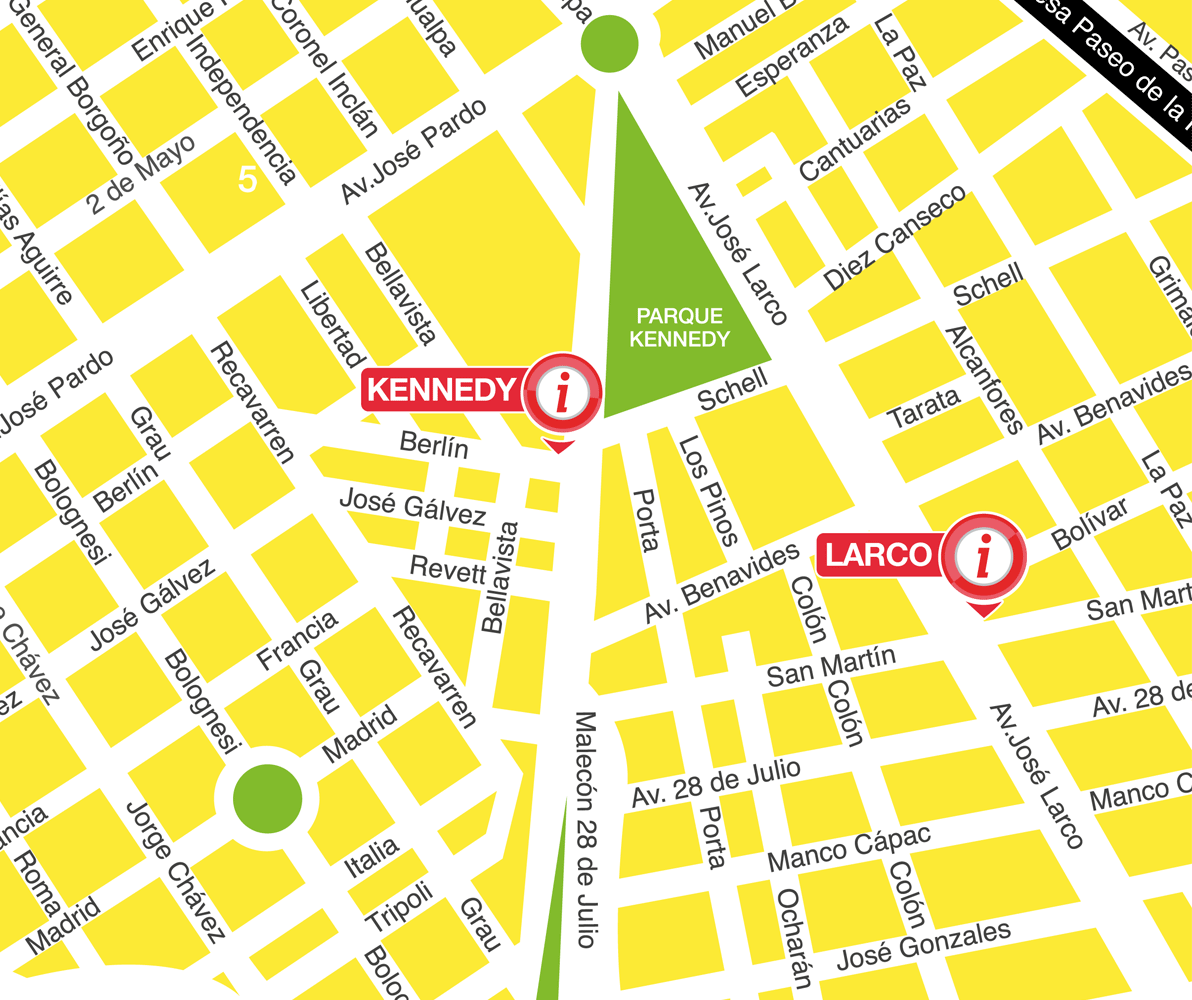
Tourist Information Center (Kennedy Park)
Av. Diagonal 494, Miraflores
Tourist Information Center (Larco)
Av. Larco 799, Miraflores
PLEASE MEET US 10 MINUTES BEFORE OUR DEPARTURE TIMES
We’re independent, licensed guides who conduct FREE Tours on a tips-only basis, thereby guaranteeing that you receive a tour of the highest quality. We'll never pressure you to tip; we believe that, if money is given, it should be voluntary and in direct proportion to the quality of the tour and the budget of the traveller.
